A dispute involving electric mobility firm Spiro has escalated in Kenya, with landlords in Western Kenya accusing the company of failing to pay rent under signed lease agreements, marking a deepening Spiro rent dispute that has drawn scrutiny from stakeholders.
The conflict, which emerged months after the company’s high-profile launch by President William Ruto, now involves claims of unpaid rent, operational concerns from riders, and questions about oversight tied to public incentives.
Spiro Rent Dispute Over Unpaid Lease Agreements
Landlords who leased premises to Spiro for electric bike battery swap stations say the company has not paid rent for December and January. Some report they have not received any payments despite earlier compliance with contract terms.
One landlord in Kisumu said payments were consistent between September and November but stopped without explanation. Others in Bungoma and Kakamega reported repeated attempts to contact the company, with responses citing internal budget reviews.
Several landlords said they had upgraded their premises to meet Spiro’s requirements before the delays began. Some have now issued demand letters, while others are considering legal action.
Claims of Internal Review and Government Influence
According to a source within the company, the Spiro rent dispute may be linked to an internal review of lease expenses. The source alleged that a senior government official directed auditors to reassess rental costs, citing high expenditure.
If confirmed, the claims could raise concerns about the relationship between public officials and a private company that has received government backing. The firm reportedly benefited from a KSh2.6 billion tax incentive approved by the Treasury.
Critics argue that such incentives require strong oversight. They say any direct involvement in operational decisions would blur the line between public duty and private interest.
Riders Raise Operational Concerns
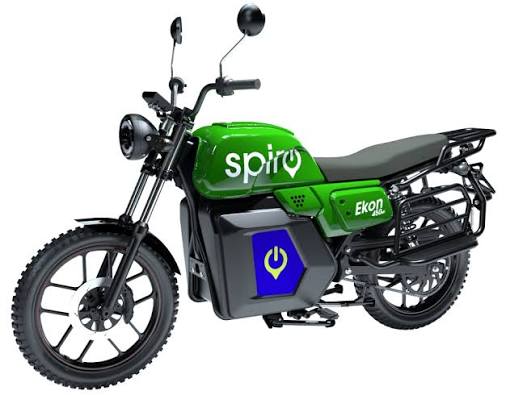
At the same time, riders using Spiro’s electric motorcycles have reported challenges related to ownership terms and operational controls. Many claim they did not fully understand the agreements they signed.
Some riders said the system restricts their ability to sell or modify motorcycles. Others reported that batteries must be used within specific timelines, with claims that devices can be remotely disabled if conditions are not met.
In several cases, riders alleged that batteries were flagged as stolen without clear explanation, forcing them to incur additional costs. Others said they are required to use company-approved mechanics, which they claim increases maintenance expenses.
Expanding Dispute and Industry Implications
The Spiro rent dispute now extends beyond landlords to include riders and governance concerns. Analysts say the situation could affect confidence in Kenya’s electric mobility sector, which the government has promoted as part of its green energy agenda.
The company’s business model, which relies on controlled infrastructure and service systems, has come under scrutiny from stakeholders who argue it limits flexibility for users.
Despite growing concerns, Spiro has not issued a public response. Efforts to reach the company’s management were unsuccessful, according to those involved in the dispute.
Outlook as Pressure Mounts
The Spiro rent dispute comes at a time when Kenya is expanding investments in sustainable transport solutions. However, unresolved allegations could slow adoption if stakeholders lose trust in emerging operators.
Parliament’s Public Accounts Committee has not announced any investigation into the tax incentives or the company’s operations, despite increasing calls for accountability.
For now, landlords, riders and policymakers are awaiting clarity as the dispute unfolds, with potential legal action and regulatory scrutiny likely in the coming weeks.