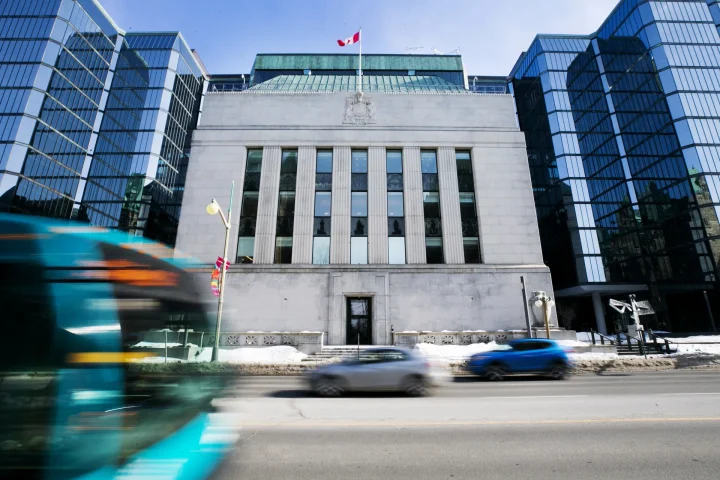
Hong Kong banks operate at the center of one of the world’s most powerful financial systems. As a global financial hub, Hong Kong hosts a dense network of international and local banks serving global trade, investment, and wealth management.
The Hong Kong banking system follows a structured three-tier model. Licensed banks dominate the market, while restricted licence banks and deposit-taking companies provide specialized services. Together, these institutions create one of the most competitive banking ecosystems globally.
1. Hong Kong banks: HSBC Hong Kong
HSBC Hong Kong remains the largest and most influential institution in the region. Founded in 1865, it plays a central role in global finance.
The bank offers retail banking, corporate finance, and wealth management services. It also supports international trade and cross-border transactions.
Its strength lies in its global network and dominant market share. It serves millions of customers and acts as a gateway between Asia and global markets.
2. Hong Kong banks: Standard Chartered Bank (Hong Kong)
Standard Chartered Bank has deep roots in Asia. It provides a wide range of financial services to individuals and businesses.
The bank focuses on corporate banking, trade finance, and digital services. It supports international companies operating in Asia.
Its advantage comes from its strong presence in emerging markets and its expertise in cross-border finance.
3. Hong Kong banks: Bank of China (Hong Kong)
Bank of China (Hong Kong) is one of the largest Chinese banks operating in the region. It plays a key role in connecting mainland China with global markets.
The bank offers retail services, corporate lending, and investment banking. It supports trade flows between China and international markets.
Its strength lies in its strong backing and access to mainland financial networks.
4. Hong Kong banks: Hang Seng Bank
Hang Seng Bank is a major local institution with a strong retail presence. It focuses on personal banking and SME services.
The bank offers savings accounts, loans, and investment products. It is widely recognized for its customer service.
Its competitive edge lies in its strong local brand and deep market penetration.
5. Hong Kong banks: Bank of East Asia
Bank of East Asia is one of the oldest local banks in Hong Kong. It serves both retail and corporate clients.
The bank provides loans, deposits, and wealth management services. It also operates in mainland China and international markets.
Its strength lies in its long history and strong regional connections.
6. Hong Kong banks: DBS Bank (Hong Kong)
DBS Bank (Hong Kong) is part of the Singapore-based DBS Group. It brings digital innovation to the Hong Kong banking sector.
The bank offers retail banking, corporate services, and digital platforms. It focuses on technology-driven solutions.
Its advantage comes from its strong digital infrastructure and innovation leadership.
7. Hong Kong banks: OCBC Bank (Hong Kong)
OCBC Bank (Hong Kong) operates as a subsidiary of Singapore’s OCBC Group. It provides a wide range of banking services.
The bank offers wealth management, loans, and corporate finance solutions. It supports both local and regional clients.
Its strength lies in its regional expertise and diversified service offerings.
8. Hong Kong banks: ZA Bank
ZA Bank is one of the leading digital banks in Hong Kong. It represents the shift toward fintech-driven banking.
The bank offers fully digital services, including savings accounts and loans. Customers can access services entirely online.
Its advantage lies in convenience and innovation. It attracts tech-savvy customers seeking modern banking solutions.
9. Hong Kong banks: WeLab Bank
WeLab Bank is another digital-first institution transforming the sector. It focuses on accessibility and user-friendly platforms.
The bank provides digital loans, savings, and financial tools. It emphasizes fast and efficient service delivery.
Its strength comes from its fintech integration and customer-centric design.
10. Hong Kong banks: Mox Bank
Mox Bank is a virtual bank backed by Standard Chartered. It combines traditional banking expertise with digital innovation.
The bank offers mobile-first banking services, including payments and savings products.
Its competitive edge lies in its seamless user experience and strong backing from established financial institutions.
What Makes a Bank the Best
Several factors define the strength of Hong Kong banks. Financial stability remains essential, especially in a global financial center. Banks must maintain strong capital reserves and effective risk management.
Digital innovation also plays a key role. Customers expect fast, secure, and seamless online services. Banks that invest in technology gain a competitive advantage.
Customer experience remains critical. Personalized services, especially in wealth management, drive long-term loyalty. Access to global markets also adds value.
Analysis of the Banking Sector
The banking sector in Hong Kong is one of the most competitive globally. It hosts a mix of local, Chinese, and international banks.
Digital banking continues to grow rapidly. Virtual banks are gaining traction, especially among younger customers.
At the same time, traditional banks remain dominant due to their scale and trust. Strong regulation by the Hong Kong Monetary Authority ensures stability and compliance.
Why This Matters
Hong Kong banks support global trade, investment, and financial flows. Their role strengthens Hong Kong’s position as a leading international financial hub.
What Happens Next
The future of Hong Kong banks will focus on digital transformation and regional integration. Banks will invest in fintech, AI, and cross-border solutions.
At the same time, competition will intensify. Institutions that balance innovation with trust will lead the next phase of growth.
Conclusion
Hong Kong banks form one of the most advanced financial systems in the world. Their combination of global reach, strong regulation, and digital innovation ensures continued relevance.
As financial markets evolve, these institutions will remain central to Asia’s economic growth and global finance.