Afghanistan banks play a vital role in supporting the country’s fragile but evolving financial system. Despite economic and political challenges, the banking sector continues to provide essential services such as payments, savings, and business financing.
The structure of Afghanistan banks includes a central bank, state-owned institutions, and private banks. Together, these entities help maintain financial stability and support economic activity across the country.
1. Da Afghanistan Bank
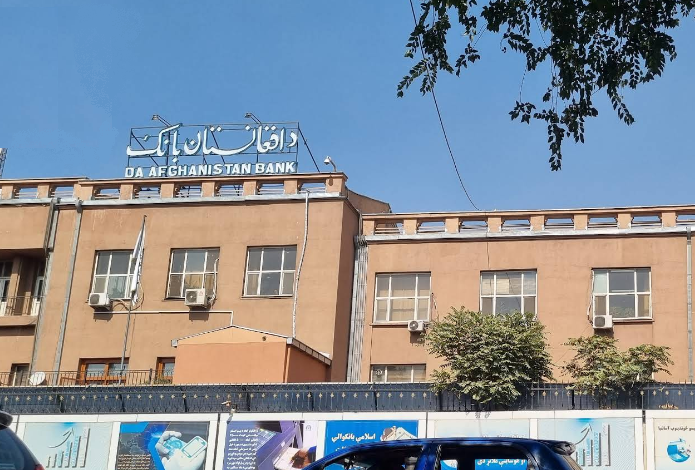
Da Afghanistan Bank serves as the central bank of Afghanistan. It regulates all Afghanistan banks and oversees monetary policy.
The bank manages currency issuance, financial supervision, and economic stability. It ensures compliance across the banking sector.
Its importance lies in maintaining financial order and confidence in the system.
2. Bank Millie Afghan
Bank Millie Afghan is one of the oldest state-owned Afghanistan banks. It has played a historic role in the country’s financial development.
The bank offers retail banking, corporate services, and government-related financial operations.
Its strength lies in its long-standing presence and national reach.
3. Pashtany Bank
Pashtany Bank operates as a government-owned financial institution. It focuses on supporting local businesses and public sector activities.
The bank provides loans, deposits, and financial services tailored to domestic needs.
Its advantage lies in its role in government-backed initiatives.
4. New Kabul Bank
New Kabul Bank was established to replace the former Kabul Bank. It operates as a state-owned institution.
The bank offers payroll services, retail banking, and public sector support.
Its relevance lies in its role in government salary payments and financial distribution.
5. Islamic Bank of Afghanistan
Islamic Bank of Afghanistan operates under Sharia-compliant principles. It focuses on Islamic banking services.
The bank provides financing, savings products, and investment solutions aligned with Islamic finance.
Its strength lies in serving customers seeking Sharia-compliant financial products.
6. Afghanistan International Bank
Afghanistan International Bank is one of the leading private Afghanistan banks.
The bank offers corporate banking, retail services, and international transactions.
Its advantage lies in its strong governance and international partnerships.
7. Azizi Bank
Azizi Bank is one of the largest private banks in Afghanistan. It has a wide branch network.
The bank provides retail banking, corporate services, and remittance solutions.
Its strength lies in its scale and accessibility.
8. Maiwand Bank
Maiwand Bank focuses on retail banking and SME financing.
The bank offers loans, deposits, and financial services for individuals and businesses.
Its advantage lies in supporting local entrepreneurship.
9. First MicroFinance Bank Afghanistan
First MicroFinance Bank Afghanistan focuses on financial inclusion.
The bank provides microloans, savings products, and services for underserved communities.
Its strength lies in supporting small businesses and low-income clients.
10. Ghazanfar Bank
Ghazanfar Bank is a private financial institution offering retail and corporate services.
The bank provides loans, deposits, and investment solutions.
Its advantage lies in its focus on local market needs.
11. Afghan United Bank
Afghan United Bank operates as a private bank serving individuals and businesses.
The bank offers retail banking, corporate services, and trade finance.
Its strength lies in its commitment to customer service.
What Makes a Bank the Best
Several factors define the strength of Afghanistan banks. Financial stability remains essential in a challenging economic environment. Banks must manage risks carefully and maintain trust.
Accessibility also plays a key role. Many customers rely on banks for basic financial services, making reach and availability critical.
Compliance and transparency are equally important. Strong governance ensures confidence in the banking system.
Analysis of the Banking Sector
The banking sector in Afghanistan faces unique challenges. Economic instability and limited infrastructure affect operations.
However, private banks continue to expand services. Digital banking and mobile solutions are gradually improving access.
The sector remains small but essential. It plays a key role in supporting trade, remittances, and development.
Why This Matters
Afghanistan banks provide critical financial services that support businesses and households. They help maintain economic activity in a difficult environment.
What Happens Next
The future of Afghanistan banks will depend on stability and reform. Banks may invest in digital services to expand access.
At the same time, regulatory improvements will be necessary to strengthen the sector.
Conclusion
Afghanistan banks form a vital part of the country’s economic system. Despite challenges, they continue to support financial activity and development.
As the sector evolves, these institutions will remain central to rebuilding and sustaining economic growth.